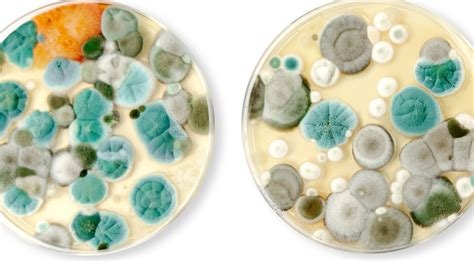
Contamination in Mushroom Labs: Common Enemies and How We Fight Them Learn about common contamination in mushroom labs and how growers prevent mold and bacteria when cultivating oyster, shiitake, Lion’s mane, and maitake mushrooms. MYCOACADEMY MA – LAB 4/13/2026 1 min read In mushroom cultivation, contamination is the biggest invisible threat. Whether growing oyster mushrooms, shiitake, Lion’s mane, or maitake, even a small contamination event in the laboratory can spread quickly and ruin entire batches of spawn. That’s why professional mushroom farms invest heavily in sterile technique and clean lab environments . Understanding contamination — and how to prevent it — is essential for producing consistent, high-quality mushrooms. What Is Contamination in Mushroom Cultivation? Contamination occurs when unwanted microorganisms compete with mushroom mycelium for nutrients. These organisms grow faster than mycelium and can quickly take over agar plates, grain spawn, or substrate. The most common contaminants include: Molds (green, black, or blue growth) Bacteria (slimy or sour-smelling colonies) Wild yeasts Competing fungi The Most Common “Enemies” in Mushroom Labs 1. Trichoderma (Green Mold) One of the most aggressive contaminants. It appears as bright green patches and can destroy entire batches of spawn. 2. Bacterial Contamination Often harder to see, bacteria create wet, sticky grain and unpleasant odors. They slow down or completely stop mycelium growth. 3. Airborne Spores Mold spores are everywhere — in the air, on surfaces, and even on clothing. Without proper filtration, they easily enter cultures. 4. Human Error Improper sterile technique is one of the biggest causes of contamination. Even small mistakes during inoculation can introduce unwanted organisms. How We Fight Contamination in the Lab Sterile Work Environment All lab work is performed under a laminar flow hood , which provides HEPA-filtered air to keep contaminants away from cultures. Proper Sterilization Grain and tools are sterilized using pressure sterilizers Surfaces are disinfected regularly Equipment is cleaned between every use Good Lab Technique Wearing gloves and clean clothing Minimizing exposure time of open containers Working quickly and precisely Culture Selection On agar plates, contaminated cultures are identified early and discarded. Only clean, strong mycelium is used for spawn production. Why Contamination Control Matters Effective contamination control leads to: Faster colonization Higher yields Better mushroom quality Reliable supply for chefs and home cooks Without strict lab hygiene, even the best mushroom genetics won’t succeed. Clean Lab, Better Mushrooms From oyster mushrooms to maitake, every successful harvest starts with a clean culture. By controlling contamination at the laboratory stage, mushroom farms ensure that only healthy mycelium reaches the fruiting room. If you are interested in learning more about our Lab installation you can contact us . An article from PennState University about : Where to use disinfectants in mushroom production? Premium Quality We grow exotic mushrooms innovatively and locally! Contact
Contamination in Mushroom Labs: Common Enemies and How We Fight Them