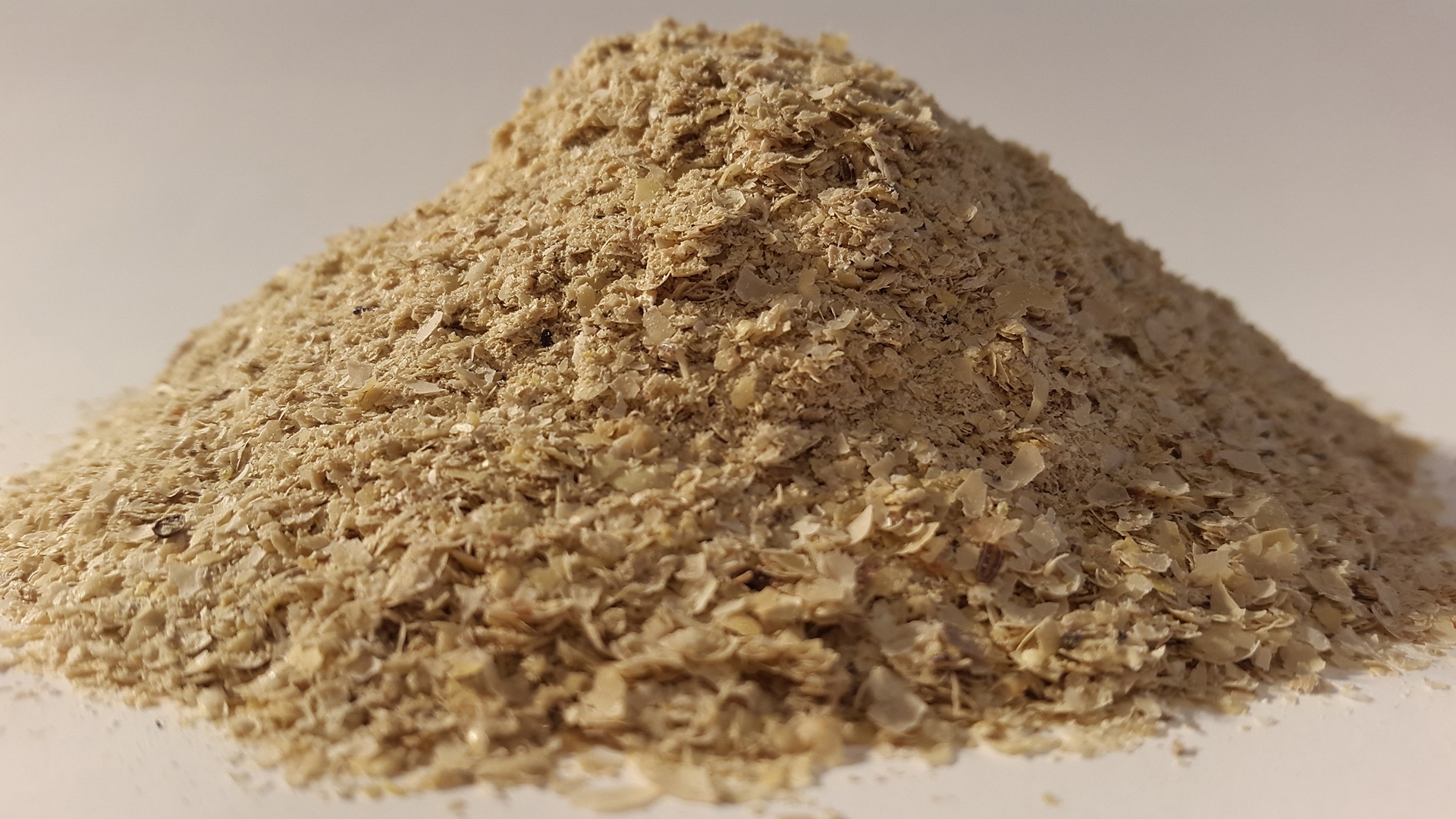
Experimenting with Alternative Substrates: From Hemp Hurd to Soy Hulls Discover alternative mushroom substrates like hemp hurd, soy hulls, coco coir, and agricultural byproducts. Learn how innovative substrate blends can improve sustainability, yield, and gourmet mushroom quality. MYCOACADEMY MYCOACADEMY- SUBSTRATE 6/1/2026 2 min read Traditional mushroom substrates like straw and hardwood sawdust remain the backbone of gourmet mushroom cultivation — but growers around the world are increasingly experimenting with alternative substrates to improve sustainability, reduce costs, and boost production. From hemp hurd and soy hulls to coffee grounds and agricultural byproducts, innovative substrate blends are opening new possibilities for growing oyster mushrooms, shiitake, and Lion’s Mane more efficiently and sustainably. But which alternative substrates actually work? And what are the advantages and risks of using them? Let’s explore the next generation of mushroom substrate innovation. Why Growers Experiment with Alternative Substrates Modern mushroom farms face several challenges: Rising hardwood costs Agricultural waste management Sustainability goals Local material availability Demand for higher yields Alternative substrates help growers: Reduce production costs Recycle waste materials Improve biological efficiency Create locally sourced substrate systems For gourmet mushroom farms, substrate innovation can also become part of the farm’s sustainability story — something increasingly valued by chefs and consumers alike. 1. Hemp Hurd: A Sustainable Newcomer What Is Hemp Hurd? Hemp hurd (also called hemp shives) is the woody inner core of the hemp plant left after fiber processing. It has become popular because it is: Lightweight Absorbent Renewable Rich in cellulose How It Performs Hemp hurd works especially well when mixed with: Hardwood sawdust Soy hulls Straw It provides good aeration and moisture retention while reducing substrate density. Best Mushrooms for Hemp Hurd Oyster mushrooms Lion’s Mane Some experimental shiitake blends Potential Challenges Can dry out faster than sawdust Requires careful hydration management Availability varies by region 2. Soy Hulls: The Powerhouse Supplement Soy hulls are one of the most important innovations in modern gourmet mushroom farming. Why Growers Love Soy Hulls They are: High in protein and nitrogen Easily digestible by mycelium Excellent for boosting yields When combined with hardwood sawdust, soy hulls create the famous: “Master’s Mix” Typically: 50% hardwood sawdust 50% soy hulls This blend is widely used for: Lion’s Mane Oyster mushrooms Commercial block production Benefits Faster colonization Larger flushes Denser fruiting bodies Important Note Because soy hulls are nutrient-rich, the substrate must be fully sterilized to avoid contamination. 3. Coffee Grounds Spent coffee grounds are increasingly popular in urban mushroom farming because they are: Abundant Recycled waste Already partially pasteurized from brewing Best Used For Oyster mushrooms Experimental blends Urban sustainability projects However, coffee grounds alone compact easily and can increase contamination risk if overused. Most growers blend coffee grounds with: Straw Sawdust Coco coir 4. Coco Coir Coco coir, made from coconut husks, is widely used in horticulture and increasingly explored in mushroom cultivation. Advantages Excellent water retention Lightweight and easy to handle Renewable material Limitations Lower nutrient content Usually requires supplementation Best suited for: Oyster mushrooms Experimental low-cost grows 5. Corn Cobs and Agricultural Byproducts Researchers and small farms continue experimenting with: Corn cobs Cottonseed hulls Sugarcane bagasse Brewer’s grain These materials can often replace part of the substrate while improving sustainability and reducing waste. The key is balancing: Structure Moisture retention Nutrient availability Airflow The Benefits of Alternative Substrates Sustainability Using agricultural byproducts reduces landfill waste and supports circular food systems. Lower Costs Local waste materials can significantly reduce substrate expenses. Better Resource Efficiency Alternative substrates often make use of materials that would otherwise be discarded. Innovation Opportunities Growers can customize substrate recipes for: Flavor Texture Yield Faster production cycles Challenges & Risks Alternative substrates also introduce challenges: Contamination Risk High-nutrient materials like soy hulls require strict sterilization. Inconsistent Quality Agricultural waste can vary in: Moisture Nutrient density Particle size Limited Research Some experimental substrates still lack long-term commercial data. Successful growers usually test new substrates gradually before scaling production. Final Thoughts Experimenting with alternative mushroom substrates is helping reshape the future of sustainable agriculture. Materials like hemp hurd, soy hulls, and coffee grounds allow growers to recycle waste, improve efficiency, and develop more resilient cultivation systems. For gourmet mushroom farms, innovation in substrate design isn’t just about higher yields — it’s about building a smarter, more sustainable food system from the ground up. Want to learn more about us ? This will interest you. This peer-reviewed research explores sustainable substrate alternatives and their role in modern mushroom farming : MDPI – Agricultural Waste as Substrate for Mushroom Cultivation Premium Quality We grow exotic mushrooms innovatively and locally! Contact
Experimenting with Alternative Substrates: From Hemp Hurd to Soy Hulls