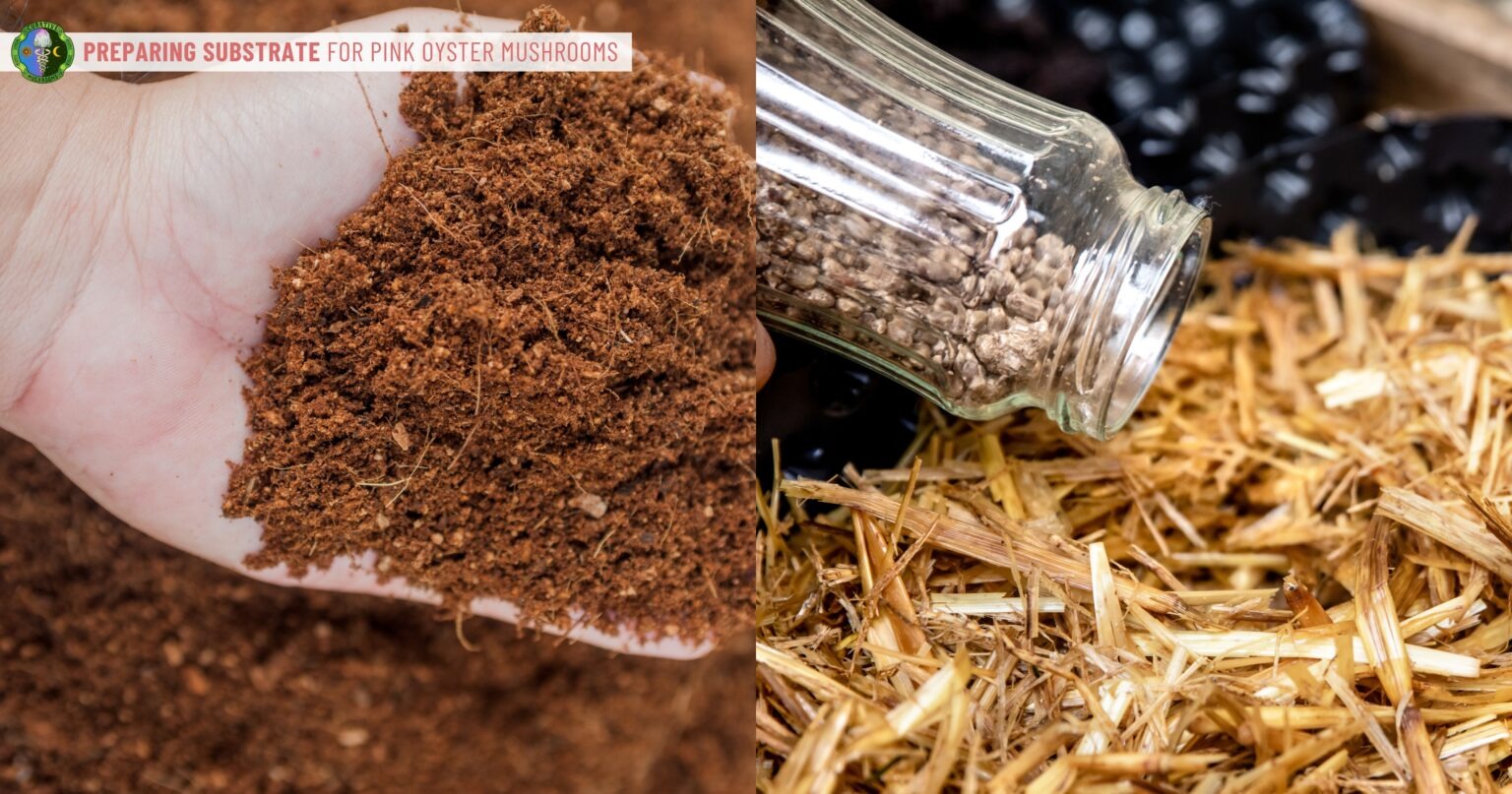
Hardwood vs. Straw: What’s the Best Base for Gourmet Mushrooms? Hardwood or straw — which substrate is better for growing gourmet mushrooms? Learn how each base affects yield, flavor, texture, and sustainability for oyster, shiitake, and Lion’s Mane mushrooms. MYCOACADEMY MYCOACADEMY- SUBSTRATE 2/9/2026 1 min read Introduction When it comes to gourmet mushroom cultivation, few decisions are as important as choosing the right substrate base. Two of the most widely used materials — hardwood and straw — each have distinct advantages, limitations, and ideal use cases. For growers supplying home cooks and restaurant chefs , substrate choice doesn’t just affect yield — it directly influences texture, aroma, and flavor , all of which matter in the kitchen. So which one is better: hardwood or straw? Let’s break it down. Straw as a Mushroom Substrate What Is Straw Substrate? Straw substrate is typically made from wheat, barley, or rye straw, chopped and pasteurized. It’s a classic, low-cost option widely used in oyster mushroom cultivation. Advantages of Straw Fast colonization due to lower density Easy pasteurization (hot water or steam) Low cost and widely available Excellent for beginners and high-volume production Best Mushrooms for Straw Oyster mushrooms ( Pleurotus ostreatus , P. eryngii ) Some aggressive species like pink or yellow oysters Flavor & Texture Impact Mushrooms grown on straw often have: Softer texture Milder, lighter flavor Slightly higher water content This makes them ideal for quick cooking , stir-fries, and lighter dishes. Limitations Lower nutrient density than wood Not suitable for shiitake or Lion’s Mane Shorter production lifecycle Hardwood as a Mushroom Substrate What Is Hardwood Substrate? Hardwood substrates are typically made from sawdust or pellets from oak, beech, maple, or hornbeam — often supplemented with bran or soybean hulls and fully sterilized. Advantages of Hardwood Higher nutrient complexity (lignin & cellulose) Supports slow-growing gourmet species Denser, meatier mushrooms Longer production cycles with multiple flushes Best Mushrooms for Hardwood Shiitake ( Lentinula edodes ) Lion’s Mane ( Hericium erinaceus ) King oyster ( Pleurotus eryngii ) Flavor & Texture Impact Hardwood-grown mushrooms are known for: Firmer texture Stronger umami More pronounced aroma Chefs often prefer hardwood-grown mushrooms for grilling, roasting, and fine dining applications . Limitations Requires sterilization equipment Higher production cost Longer incubation time Sustainability Considerations Both substrates can be highly sustainable when sourced locally: Straw is an agricultural byproduct that’s renewable and compostable. Hardwood sawdust often comes from forestry or woodworking waste streams. Many gourmet farms combine both approaches — using straw for fast, affordable production and hardwood for premium, chef-focused mushrooms. So… Which Is the Best Base for Gourmet Mushrooms? The answer depends on your mushroom species and your market : Growing oyster mushrooms for volume and accessibility ? → Straw wins Growing shiitake or Lion’s Mane for restaurants ? → Hardwood is essential At gourmet mushroom farms, the “best” substrate is often species-specific , not one-size-fits-all. If you are looking for the ultimate guide for substrate here you go . Want to learn more about us ? This will interest you. Premium Quality We grow exotic mushrooms innovatively and locally! Contact
Hardwood vs. Straw: What’s the Best Base for Gourmet Mushrooms?