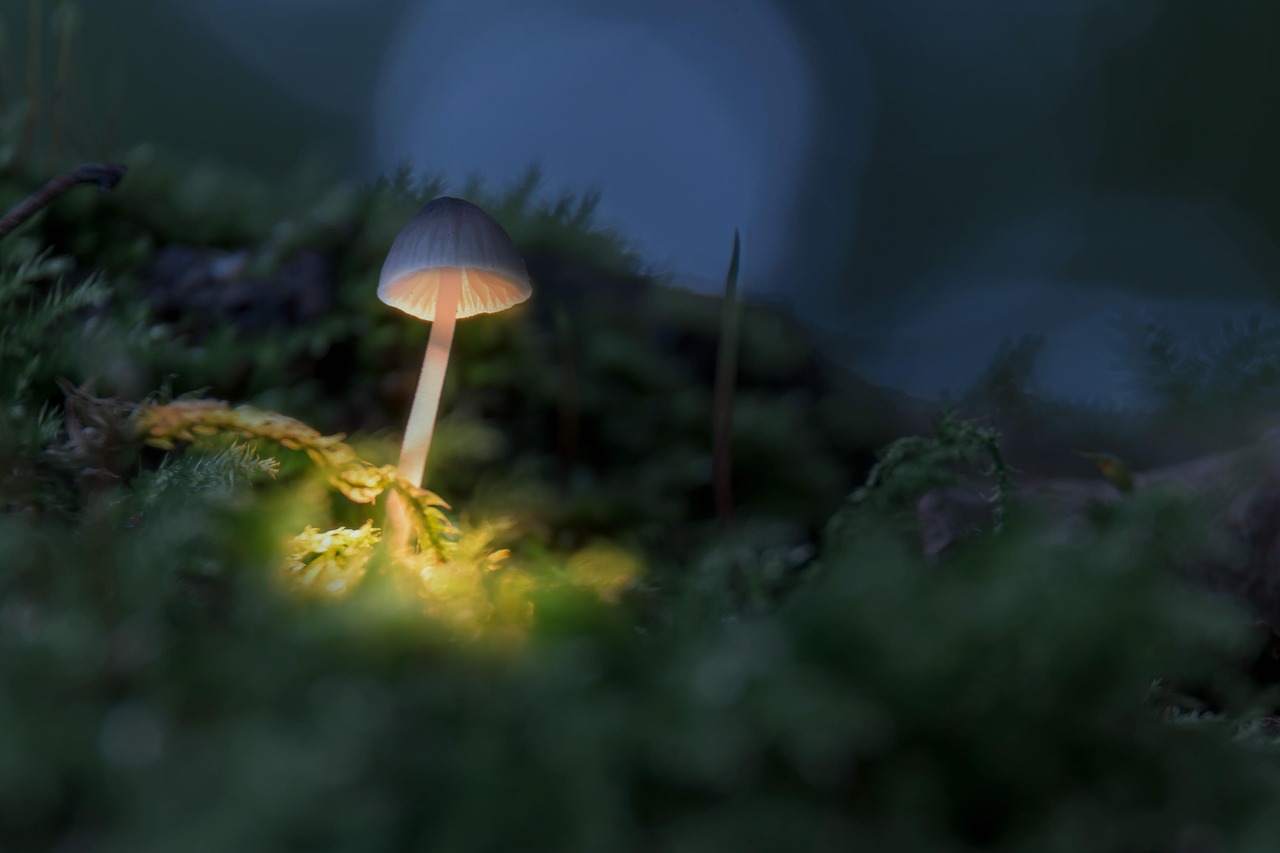
Light and Mushrooms: How Fruiting Bodies Respond to Illumination Discover how light affects mushroom fruiting and why proper illumination is essential for oyster, shiitake, and Lion’s mane mushroom development. MYCOACADEMY MA – FRUITING 2/16/2026 1 min read Unlike plants, mushrooms do not use light for photosynthesis. However, light still plays a critical role in mushroom fruiting . For species like oyster mushrooms, shiitake, and Lion’s mane, proper illumination helps trigger pinning and guides the development of healthy fruiting bodies. Light is not food for mushrooms — it’s a signal. Why Mushrooms Respond to Light In nature, light signals to fungi that they have reached the surface and it’s time to produce spores. Without light, many species will: Delay pin formation Grow in irregular shapes Develop pale or malformed caps Blue-spectrum light is particularly important in stimulating fruit body formation. How Much Light Do Mushrooms Need? Mushrooms require far less light than plants. Generally: Indirect or diffused light is sufficient 8–12 hours per day works well LED or fluorescent lighting is commonly used Intensity similar to a shaded forest is ideal Too much direct sunlight can dry out mushrooms and damage delicate tissues. Species-Specific Light Responses Oyster Mushrooms Require light to properly form caps and avoid elongated stems. Insufficient light may cause narrow or trumpet-shaped caps. Shiitake Less light-sensitive but still benefit from moderate illumination for even cap development. Lion’s Mane Needs balanced light to develop dense, cascading spines instead of coral-like irregular growth. Light and Mushroom Quality Proper illumination contributes to: Uniform cap shape Strong structure Better coloration Consistent harvest timing When combined with correct humidity, fresh air exchange, and temperature, light becomes part of a carefully controlled fruiting environment. Balancing Light With Other Environmental Factors Light works together with: Fresh air exchange (CO₂ reduction) Humidity control Temperature management Successful mushroom farming is about balancing all environmental signals to guide fruiting at the right time. If you are interested to discover how we aare using light in our fruiting chambers : Contact us! Here is a study by the NIH on the effect of light on Oyster mushrooms cultivation. Premium Quality We grow exotic mushrooms innovatively and locally! Contact
Light and Mushrooms: How Fruiting Bodies Respond to Illumination