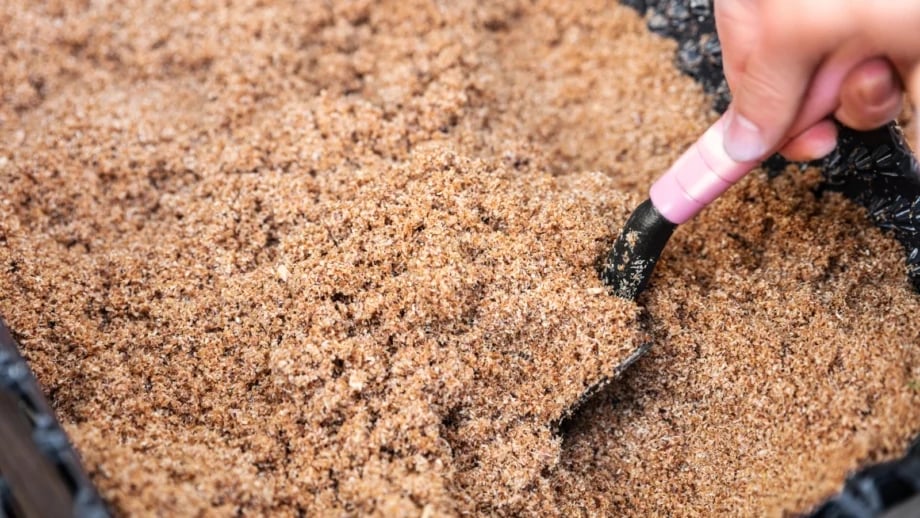
The Ideal Moisture Content: How Wet Should Your Mushroom Substrate Be? Learn the ideal moisture content for mushroom substrates and how proper hydration affects mycelium growth, yield, and contamination risk in oyster, shiitake, and Lion’s Mane cultivation. MYCOACADEMY MYCOACADEMY- SUBSTRATE 5/4/2026 2 min read Moisture is one of the most important factors in successful mushroom cultivation. Even with high-quality spawn and perfectly prepared substrate, incorrect water content can slow colonization, reduce yields, or lead to contamination problems. For gourmet mushroom growers, understanding the ideal substrate moisture level is essential for producing healthy oyster mushrooms, shiitake, and Lion’s Mane consistently. Too dry, and the mycelium struggles to spread. Too wet, and bacteria or mold can quickly take over. So how wet should your substrate actually be? Why Moisture Matters in Mushroom Cultivation Mushrooms are made up of around 85–90% water , and the mycelium depends on moisture to transport nutrients throughout the substrate. Correct moisture levels help: Speed up colonization Improve nutrient absorption Increase mushroom yield Support healthy fruiting body formation Reduce contamination stress Poor moisture management, however, is one of the most common reasons for failed mushroom grows. What Is the Ideal Moisture Content? For most gourmet mushroom substrates, the ideal moisture content falls between: 60–65% moisture This range works well for: Oyster mushrooms Shiitake Lion’s Mane King oyster mushrooms Some species may tolerate slightly different levels, but 60–65% is considered the industry standard for most supplemented substrates. The Simple “Squeeze Test” Method Most small farms and home growers use the classic squeeze test to estimate substrate hydration. How to Perform It: Grab a handful of hydrated substrate Squeeze firmly Results: 💧 A few drops appear → Ideal moisture 🌊 Water streams out → Too wet 🏜 No drops and substrate falls apart → Too dry This quick test is widely used because it’s simple, fast, and surprisingly accurate. Moisture Needs by Substrate Type Straw Substrates Ideal moisture: 65–70% Straw absorbs water unevenly, so proper soaking and draining are important. Best for: Oyster mushrooms Fast-growing species Hardwood Sawdust Substrates Ideal moisture: 60–65% Too much water can compact the substrate and reduce oxygen flow. Best for: Shiitake Lion’s Mane Supplemented “Master’s Mix” (Usually hardwood sawdust + soybean hulls) Ideal moisture: 60–62% Rich substrates become contamination-prone when overhydrated. Best for: Commercial gourmet production Lion’s Mane and king oysters What Happens If the Substrate Is Too Wet? Overhydrated substrate is one of the biggest causes of contamination. Common Problems: Bacterial growth (“wet spot”) Sour or rotten smells Slower colonization Compacted substrate with poor airflow Green mold outbreaks Excess water fills the air spaces inside the substrate, preventing the mycelium from breathing properly. What Happens If the Substrate Is Too Dry? Dry substrate creates a different set of issues: Common Problems: Slow or stalled mycelium growth Weak fruiting bodies Small yields Cracked or dry mushrooms Without enough water, the mycelium cannot effectively digest nutrients or support fruiting. Species-Specific Moisture Considerations Oyster Mushrooms Very forgiving Can tolerate slightly wetter substrates Fast colonizers help outcompete contaminants Shiitake Prefer balanced moisture with good structure Excess water can delay browning and fruiting Lion’s Mane Sensitive to poor airflow Needs carefully balanced hydration and oxygen levels Moisture and Environmental Conditions Substrate hydration also interacts with: Incubation temperature Relative humidity Fresh air exchange Bag density and airflow Warm grow rooms may dry substrates faster, while tightly packed blocks can trap excess moisture. Professional mushroom farms often monitor both substrate moisture and room humidity together for consistent production. Final Thoughts Getting substrate moisture right is one of the simplest ways to improve mushroom cultivation results. Whether you’re growing oyster mushrooms on straw or Lion’s Mane on hardwood sawdust, maintaining the proper hydration balance helps maximize yield, improve mushroom quality, and reduce contamination risk. In mushroom farming, water is not just moisture — it’s part of the growing system itself. Want to learn more about us ? This will interest you. Here is a fun guide on how grow mushroom at home. Premium Quality We grow exotic mushrooms innovatively and locally! Contact
The Ideal Moisture Content: How Wet Should Your Mushroom Substrate Be?