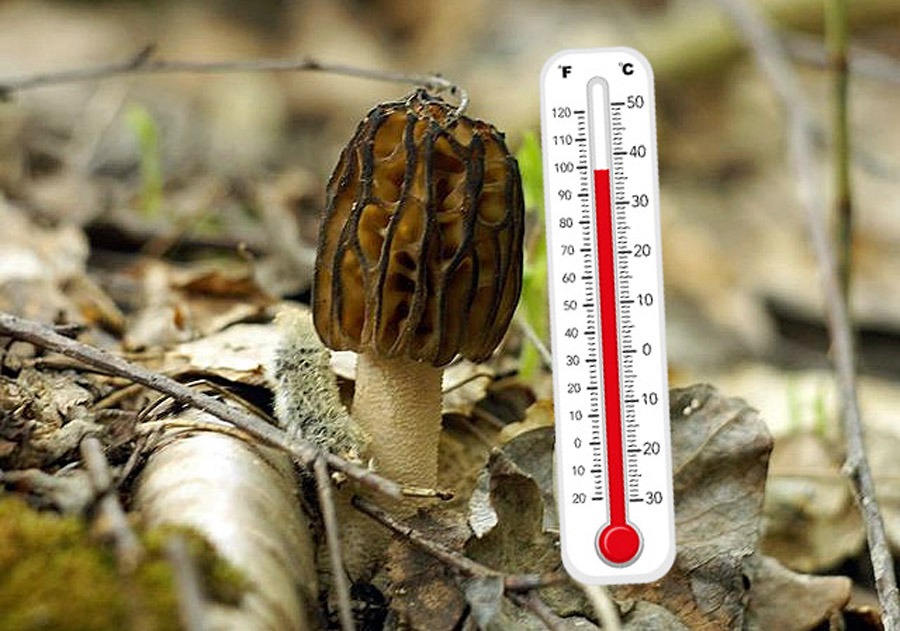
How Temperature Affects Fruiting in Different Mushroom Species Discover how temperature affects mushroom fruiting and why oyster, shiitake, Lion’s mane, and maitake require different growing conditions for healthy harvests. MYCOACADEMY MA – FRUITING 5/11/2026 1 min read Temperature is one of the most important environmental factors in mushroom cultivation. During the fruiting stage, even small temperature changes can influence mushroom shape, growth speed, yield, and overall quality. Different species — including oyster mushrooms, shiitake, Lion’s mane, and maitake — all respond differently to temperature. Understanding these differences helps mushroom farms produce healthy and consistent harvests year-round. Why Temperature Matters in Mushroom Fruiting Mushrooms are highly sensitive organisms. Temperature affects: Mycelial activity Pin formation Growth speed Moisture retention Mushroom size and density If temperatures are too high or too low, fruiting may slow down, deform, or stop completely. Oyster Mushrooms and Temperature Oyster mushrooms are known for their adaptability, but different oyster strains still prefer different temperature ranges. Warm-Weather Oyster Strains Fruit best around 20–24°C Grow quickly Produce thinner, lighter-colored caps Cold-Weather Oyster Strains Prefer 10–18°C Develop thicker flesh and deeper coloration Often produce denser clusters Temperature directly affects cap size, stem length, and overall appearance. Shiitake Fruiting Temperatures Shiitake mushrooms generally prefer cooler fruiting conditions: Ideal range: 12–18°C Lower temperatures help produce: Thick caps Firm texture Better shelf life Some shiitake strains also require a temperature drop or “cold shock” to trigger fruiting. Lion’s Mane and Temperature Sensitivity Lion’s mane mushrooms are highly sensitive to environmental conditions. Optimal fruiting temperatures: Around 16–20°C If temperatures rise too high: Spines may shorten Mushrooms can yellow prematurely Texture becomes softer Cooler temperatures help Lion’s mane develop dense, cascading spines. Maitake and Cooler Conditions Maitake (Grifola frondosa) naturally grows in cooler autumn conditions and prefers: Fruiting temperatures around 14–18°C Cool temperatures help maitake develop: Dense ruffled clusters Rich earthy flavor Compact structure Excess heat can lead to weak or irregular growth. Balancing Temperature With Other Factors Temperature works together with: Humidity Fresh air exchange Light CO₂ levels Successful mushroom cultivation depends on balancing all environmental conditions rather than focusing on temperature alone. Why Temperature Control Improves Mushroom Quality Careful temperature management helps mushroom farms achieve: Better yields More uniform fruiting Improved texture and flavor Predictable harvest timing For commercial mushroom production, stable environmental control is essential for delivering high-quality mushrooms consistently. If you are interested to discover how we aare using light in our fruiting chambers : Contact us! To broaden the topic here is an article on Critical Temperatures for Various Fruits . Premium Quality We grow exotic mushrooms innovatively and locally! Contact
How Temperature Affects Fruiting in Different Mushroom Species