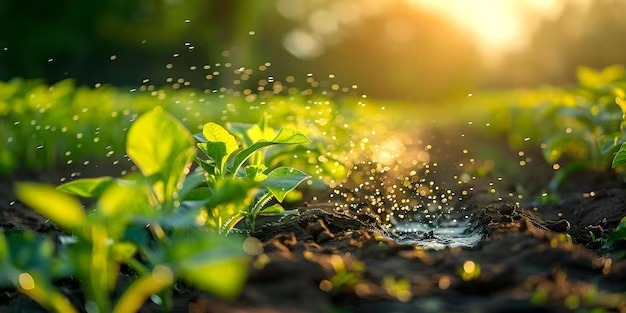
Water Efficiency in Mushroom Farming: Best Practices Learn how water-efficient mushroom farming reduces waste, lowers costs, and supports sustainable production through smart irrigation and climate control. TECHNOLOGY AND SUSTAINABILITY 2/2/2026 1 min read Why Water Efficiency Matters in Mushroom Cultivation While mushrooms require high humidity, they consume far less water than traditional crops . Efficient water management is essential for sustainable mushroom farming, especially in climate-controlled indoor operations like modern urban farms. Best Practices for Water-Efficient Mushroom Farming Precision Humidification Using fine-mist humidifiers instead of direct watering prevents over-saturation while maintaining ideal humidity levels. Sensor-Based Monitoring Smart sensors track humidity, temperature, and CO₂ levels, ensuring water is only used when necessary—never wasted. Closed-Loop Water Systems Excess condensation can be collected, filtered, and reused, significantly reducing overall water consumption. Moisture-Optimized Substrates Properly hydrated substrates (straw, sawdust, agricultural byproducts) hold moisture efficiently, reducing the need for frequent re-humidification. Sustainability Impact Compared to conventional agriculture, mushroom farming: Uses up to 90% less water, Produces high protein per liter of water, Supports circular agricultural systems. This makes mushroom farming one of the most water-efficient protein sources available . Water efficiency has always be on our mind while building our farm in Prague . Interested in more best practices for mushroom cultivation ? Here is a thorough documentation. Premium Quality We grow exotic mushrooms innovatively and locally! Contact
Water Efficiency in Mushroom Farming: Best Practices