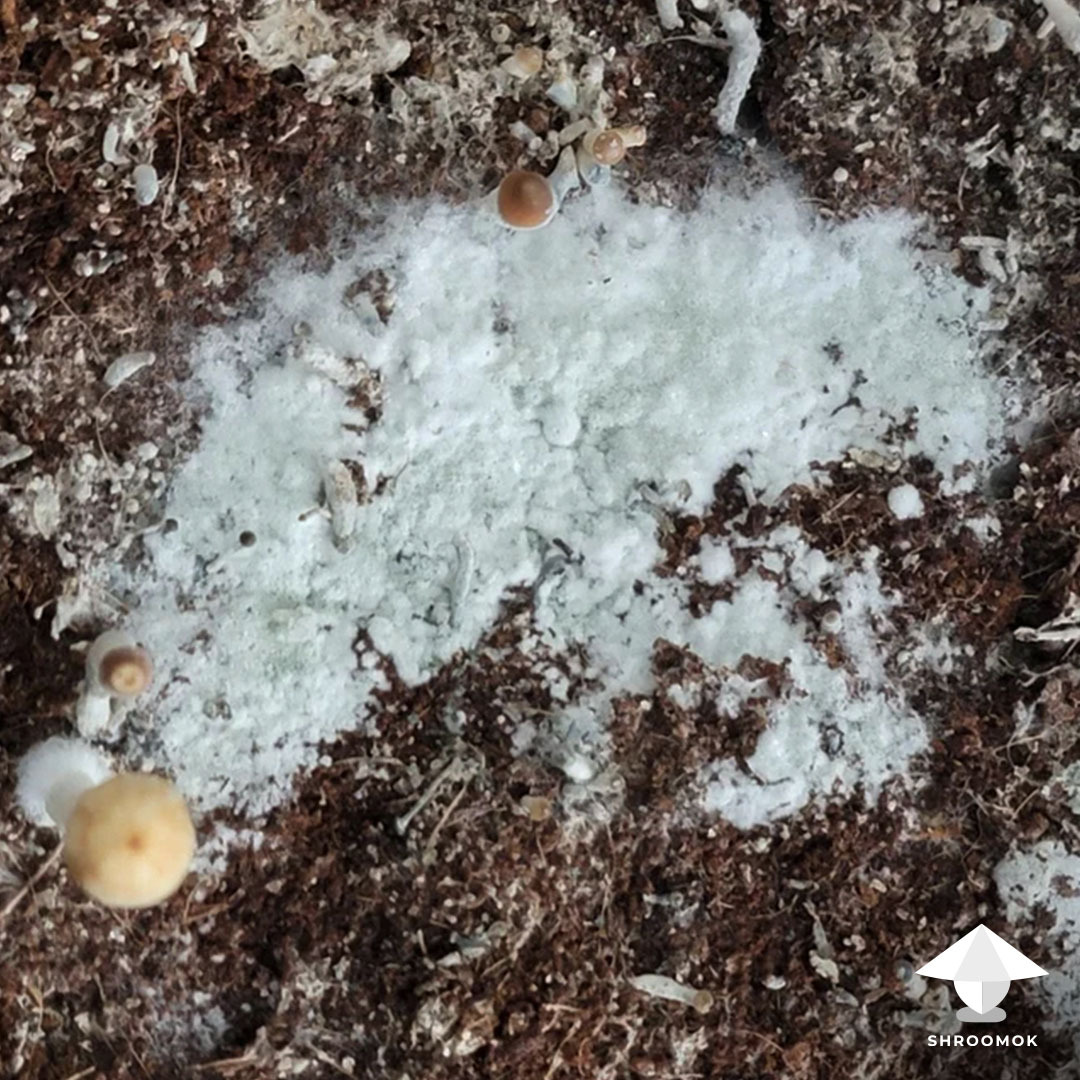
Common Contaminants in Mushroom Substrates (and How to Prevent Them) Learn about the most common mushroom substrate contaminants, including green mold and bacteria, how to identify them early, and proven prevention methods for oyster, shiitake, and Lion’s Mane mushroom cultivation.mushroom farms. MYCOACADEMY MYCOACADEMY- SUBSTRATE 1/12/2026 2 min read Introduction Contamination is one of the biggest challenges in mushroom cultivation. Even experienced growers can lose entire batches if unwanted fungi or bacteria take over the substrate before the mushroom mycelium does. Whether you’re growing oyster mushrooms on straw , shiitake on hardwood blocks , or Lion’s Mane in sterilized bags , understanding the most common contaminants — and how to prevent them — is essential for consistent yields and high-quality mushrooms. Why Contamination Happens in Mushroom Substrates Mushroom substrates are warm, moist, and nutrient-rich — exactly the conditions that many microorganisms love. Contamination usually occurs due to: Inadequate pasteurization or sterilization Poor hygiene during inoculation Over-supplemented substrates Old or improperly stored substrate materials Weak or low-quality spawn Prevention starts with awareness. 1. Green Mold (Trichoderma spp.) Most common and most destructive contaminant How to Identify It Bright green or dark green patches Often starts white and turns green as spores form Strong musty or sour smell Why It’s Dangerous Trichoderma grows faster than mushroom mycelium and releases antifungal compounds that stop mushroom growth entirely. Prevention Tips Proper sterilization for supplemented sawdust substrates Avoid over-wet substrates (target 60–65% moisture) Use fresh, vigorous spawn Work cleanly during inoculation ⚠️ If you see green mold, remove the block immediately — spores spread easily. 2. Bacterial Contamination (Wet Spot / Sour Rot) Common in overly wet substrates. How to Identify It Slimy or greasy substrate texture Yellow or brown liquid (“metabolites”) Sour, sweet, or rotten smell Why It Happens Excess moisture Poor drainage High temperatures during incubation Prevention Tips Squeeze-test substrate before use (no dripping water) Avoid stacking bags too tightly Maintain incubation temperatures within species-specific ranges 3. Black Mold (Aspergillus spp.) Less common but potentially hazardous How to Identify It Dark gray to black powdery patches Often appears near air filters or bag openings Health Warning Aspergillus spores can be harmful if inhaled — especially in enclosed grow rooms. Prevention Tips Use HEPA-filtered air in sterile environments Replace or clean filters regularly Wear masks when handling suspected contamination 4. Pink & Red Molds (Neurospora, Fusarium) Often linked to poor hygiene. How to Identify It Pink, red, or salmon-colored growth Appears quickly after inoculation Prevention Tips Clean tools, tables, and hands thoroughly Disinfect inoculation areas Do not reuse contaminated containers 5. Yeasts Often mistaken for healthy mycelium early on. How to Identify It Creamy, dull-white patches Slow or stalled mushroom mycelium growth Prevention Tips Increase fresh air exchange Use higher spawn rates Improve substrate preparation consistency Best Practices to Prevent Substrate Contamination Before Inoculation Use fresh substrate materials Choose pasteurization or sterilization based on substrate type Allow substrate to cool completely before inoculation During Inoculation Wash hands and disinfect tools Minimize air movement Work quickly and cleanly During Incubation Maintain correct temperature and humidity Space blocks for airflow Inspect daily and isolate suspicious blocks immediately Final Thoughts Contamination isn’t a failure — it’s part of the learning curve in mushroom cultivation. By understanding the most common substrate contaminants and applying strict preparation and hygiene practices, you can dramatically reduce losses and grow healthier, more reliable crops. At professional gourmet mushroom farms, consistency comes from discipline — clean substrate, clean hands, and close observation. In our farm in Prague we are steralizing our substrates, if you want to try it out, it's right here . Here is a list of mushrooms' common diseases. Premium Quality We grow exotic mushrooms innovatively and locally! Contact
Common Contaminants in Mushroom Substrates (and How to Prevent Them)