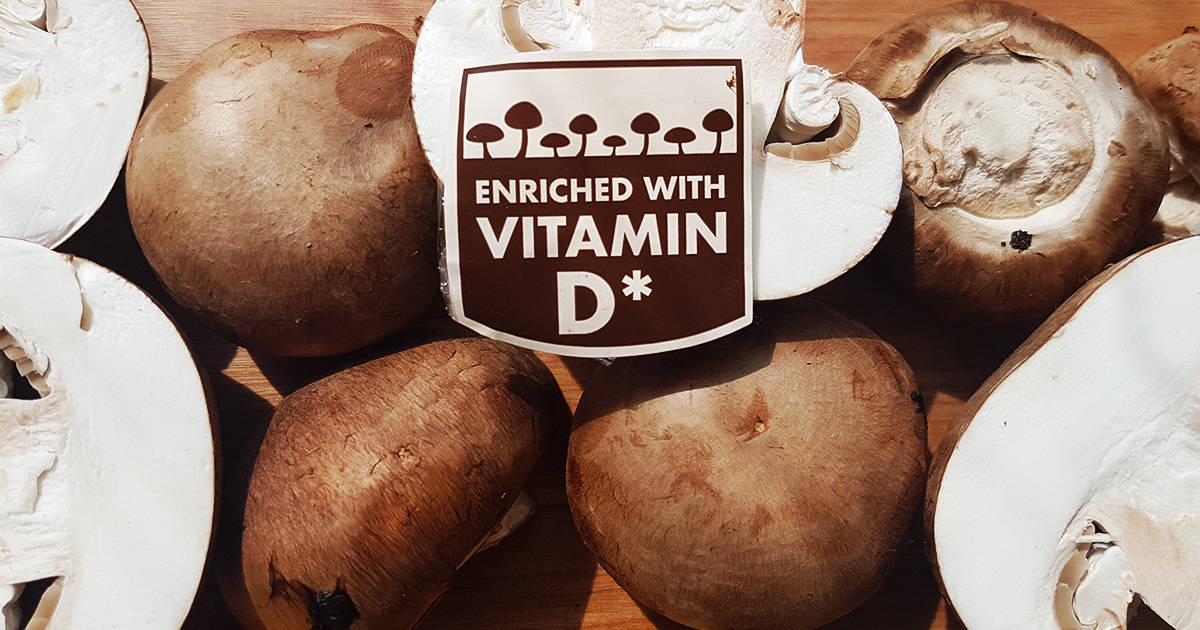
Mushrooms and Vitamin D: A Natural Source You Didn’t Expect Discover how mushrooms naturally produce vitamin D through sunlight exposure and why oyster and shiitake mushrooms can boost your vitamin D intake. HEALTH & BENEFITS 3/2/2026 1 min read The Surprising Vitamin D Power of Mushrooms When people think of vitamin D , they usually imagine sunlight, fatty fish, or supplements. But few realize that mushrooms are one of the only plant-based natural sources of vitamin D . Unlike most fruits and vegetables, mushrooms contain ergosterol , a compound that converts into vitamin D2 when exposed to ultraviolet (UV) light — just like human skin produces vitamin D when exposed to sunlight. For health-conscious consumers and plant-based eaters, this makes mushrooms a uniquely valuable ingredient. How Mushrooms Produce Vitamin D Here’s how the process works: Mushrooms naturally contain ergosterol When exposed to sunlight or UV light, ergosterol converts to vitamin D2 The vitamin D level increases significantly after light exposure Cooking does not significantly reduce vitamin D content This means that UV-exposed mushrooms can contain vitamin D levels comparable to some animal-based sources. Which Mushrooms Contain the Most Vitamin D? Many gourmet mushrooms can produce vitamin D when exposed to light, including: Oyster mushrooms Shiitake mushrooms Maitake mushrooms Button mushrooms Some farms intentionally expose harvested mushrooms to UV light to naturally enhance their vitamin D content. Why Vitamin D Matters for Health Vitamin D plays an essential role in: Bone health and calcium absorption Immune system regulation Mood balance Muscle function In regions with limited winter sunlight — including Central Europe — incorporating vitamin D-rich mushrooms into the diet can be especially beneficial. How to Maximize Vitamin D in Mushrooms at Home You can increase vitamin D content naturally: Place fresh mushrooms gill-side up in direct sunlight for 15–60 minutes Use them immediately or refrigerate afterward Cook as usual — roasting, sautéing, or grilling This simple method can significantly boost vitamin D levels. Why Local Mushrooms Matter Locally grown mushrooms are fresher, retain more nutrients, and can be produced using sustainable indoor farming methods. Farms that understand controlled light exposure can optimize both flavor and nutritional value . For chefs and home cooks in Prague and beyond, this means access to nutrient-dense, locally cultivated mushrooms year-round . Final Thoughts Mushrooms are one of nature’s most unexpected sources of vitamin D. Whether you choose maitake, shiitake, or lion's mane, adding mushrooms to your meals is a simple, natural way to support overall wellness — especially during low-sunlight months. You can fin our recipes on Maitake right here . For detailed nutritional data on mushrooms and vitamin D you can follow this link . Premium Quality We grow exotic mushrooms innovatively and locally! Contact
Mushrooms and Vitamin D: A Natural Source You Didn’t Expect