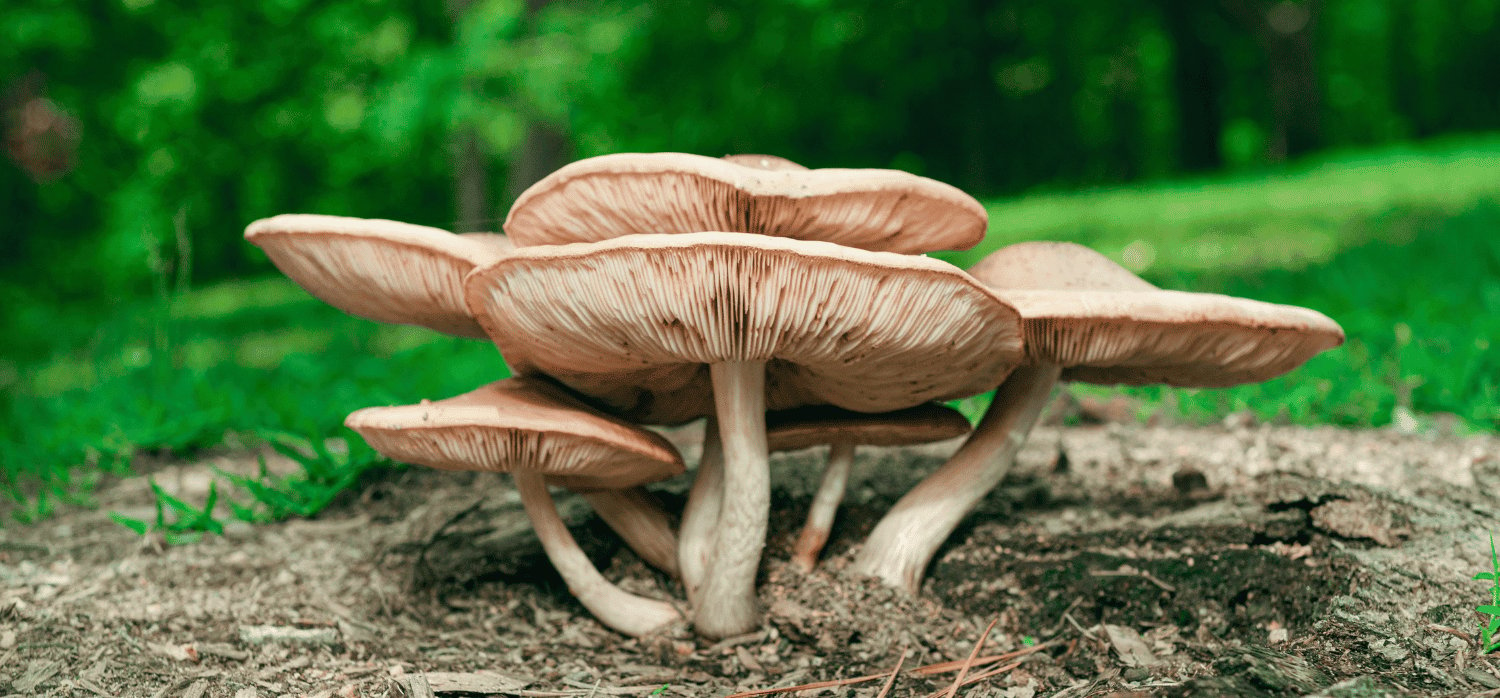
Reducing Food Waste With Local Mushroom Farming Learn how local mushroom farming reduces food waste through short supply chains, circular substrates, and sustainable production systems. TECHNOLOGY AND SUSTAINABILITY 3/2/2026 1 min read The Food Waste Problem — And a Smart Solution Globally, nearly one-third of all food produced is wasted. Long supply chains, transportation delays, and overproduction contribute heavily to spoilage. But local mushroom farming offers a practical and sustainable way to reduce food waste . By shortening the distance between farm and plate, mushroom producers can dramatically lower losses while improving freshness and quality. Short Supply Chains = Less Waste Local mushroom farms deliver directly to: Restaurants Farmers’ markets Specialty grocery stores Community-supported agriculture programs This reduces: Transportation time Storage duration Temperature fluctuation damage Retail spoilage Fresh mushrooms harvested in the morning can reach chefs the same day, preserving flavor and shelf life. Circular Use of Agricultural Byproducts Mushrooms are uniquely efficient because they grow on: Straw Sawdust Coffee grounds Agricultural residues These materials would otherwise be discarded. After harvest, the spent mushroom substrate can be composted or reused as soil amendment, closing the loop in the food system. Precision Growing Reduces Overproduction Modern mushroom farms often use: Environmental sensors Data tracking Controlled climate systems This allows farmers to produce based on demand, avoiding unnecessary surplus and reducing inventory waste. Smaller Carbon Footprint Local mushroom farming reduces: Packaging requirements Long-haul refrigeration Import dependency Emissions from transportation This contributes to a more resilient and sustainable local food economy. Supporting Restaurants and Home Cooks Chefs benefit from predictable supply and consistent quality, while home cooks gain access to: Fresher produce Longer shelf life Less food thrown away at home When mushrooms stay fresh longer, consumers waste less. Final Thoughts Local mushroom farming represents more than sustainable agriculture — it is a practical strategy for reducing food waste, strengthening local economies, and promoting circular food systems. By choosing locally grown oyster, shiitake, maitake, or lion’s mane mushrooms, consumers actively support a food model that values efficiency, freshness, and environmental responsibility. Water efficiency has always be on our mind while building our farm in Prague . Learn more about global food waste reduction efforts here . Premium Quality We grow exotic mushrooms innovatively and locally! Contact
Reducing Food Waste With Local Mushroom Farming