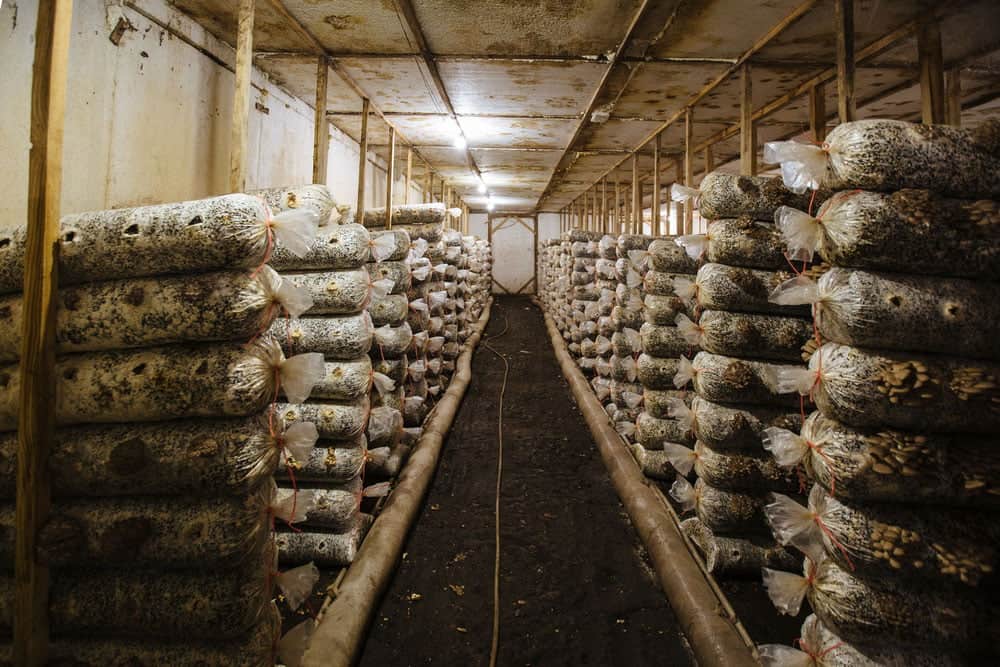
Sterilized vs. Pasteurized Substrates: Which One Should You Use? Learn the differences between sterilized and pasteurized mushroom substrates, when to use each method, and how they affect yield, contamination risk, and overall mushroom quality. Perfect for both home growers and commercial mushroom farms. MYCOACADEMY MYCOACADEMY- SUBSTRATE 12/15/2025 1 min read Introduction In mushroom cultivation, the way you prepare your substrate can dramatically impact your success. Whether you're growing gourmet oyster mushrooms, shiitake, or Lion’s Mane, the choice between sterilization and pasteurization is a core decision that affects colonization speed, contamination risk, and final yield. Let’s break down what each method does — and help you choose the best approach for your farm or home grow. What Is Pasteurization? Pasteurization involves heating your substrate to 60–80°C for a limited time (usually 1–2 hours). This doesn’t kill all microorganisms; instead, it reduces harmful microbes while preserving beneficial ones. Best For: Low-nutrient substrates → straw, sugarcane bagasse, coco coir Fast-colonizing species → oyster mushrooms Low-tech grows → perfect for beginners or small farms Why Growers Love Pasteurization: Lower contamination risk thanks to surviving beneficial microbes Simple equipment: hot water bath or steam Cost-effective and scalable Ideal for bulk production However: Pasteurized substrates can become contaminated more easily if over-supplemented or left for too long before inoculation. What Is Sterilization? Sterilization means heating your substrate to 121°C under pressure (usually 15 PSI for 90–120 minutes). This kills all microbes, good and bad. Best For: High-nutrient substrates → sawdust + bran, soybean hull pellets Slow colonizers → shiitake, Lion’s Mane Block production → especially for commercial fruiting blocks Why Sterilization Is Used: Allows heavy supplementation for higher yields Essential for species that don’t compete well with contaminants Supports professional consistency and long shelf life However: Because the substrate becomes a “blank slate,” even a tiny contaminant can take over — which means sterile technique is crucial. Which Should YOU Use? Use Pasteurization If You Are Growing: ✔ Oyster mushrooms ✔ Using straw or coco coir ✔ Want a simple, fast, low-tech method ✔ Working in a non-sterile room or home environment Use Sterilization If You Are Growing: ✔ Shiitake or Lion’s Mane ✔ Using hardwood sawdust blocks ✔ Adding bran, soybean hulls, or high-nitrogen supplements ✔ Running a professional operation where consistency is key Pro Tip for Higher Yields Many commercial farms (including gourmet producers) use a hybrid approach: Pasteurize bulk low-nutrient substrates (like straw) Sterilize high-nutrient blocks (like supplemented sawdust) This lets you optimize each species' needs while balancing cost and contamination risk. In our farm in Prague we are steralizing our substrates, if you want to try it out, it's right here . Here is another article on the topic written by mycohaus. Premium Quality We grow exotic mushrooms innovatively and locally! Contact
Sterilized vs. Pasteurized Substrates: Which One Should You Use?