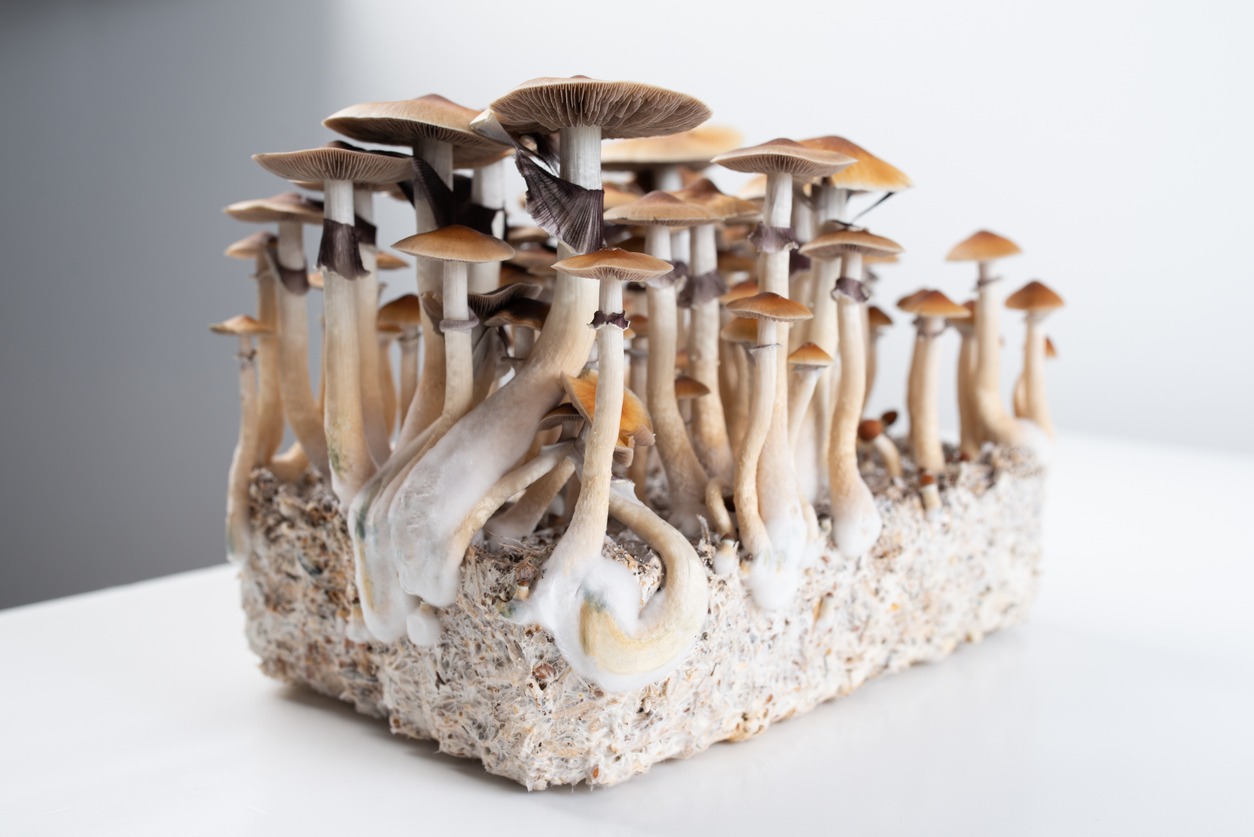
The Science of Mushroom Flushes: Why They Come in Waves Discover why mushrooms grow in flushes and how oyster, shiitake, Lion’s mane, and maitake produce multiple harvest waves during cultivation. MYCOACADEMY MA – FRUITING 4/13/2026 1 min read If you’ve ever grown mushrooms, you’ve probably noticed they don’t appear all at once. Instead, oyster mushrooms, shiitake, Lion’s mane, and maitake grow in flushes — waves of mushrooms followed by rest periods. Understanding why mushroom flushes occur helps growers optimize yields and manage harvest timing more effectively. What Is a Mushroom Flush? A flush is a burst of mushroom growth that occurs when the mycelium produces fruiting bodies over a short period of time. After this burst, the substrate enters a recovery phase before producing the next flush. Most substrates can produce 2 to 4 flushes , depending on species and growing conditions. Why Mushrooms Grow in Waves 1. Energy Storage and Release Mycelium acts like a network that stores nutrients. When environmental conditions are right, it releases that energy all at once to produce mushrooms. After a flush, the mycelium needs time to rebuild its energy reserves . 2. Water Availability Mushrooms are made mostly of water. During a flush, large amounts of water are used to expand fruiting bodies. After harvest, the substrate must reabsorb moisture before another flush can occur. 3. Environmental Triggers Changes in humidity, fresh air, temperature, and light trigger fruiting. Once triggered, mushrooms tend to grow in synchronized waves rather than continuously. 4. Biological Strategy In nature, producing mushrooms in waves increases the chances of successful spore dispersal . It’s a survival mechanism that ensures fungi reproduce efficiently. Differences Between Flushes Each flush behaves differently: First flush: Largest and most productive Second flush: Slightly smaller but still strong Later flushes: Smaller and less consistent For mushrooms like shiitake and maitake, later flushes may require additional triggers such as soaking or resting periods. How Growers Maximize Flushes Professional mushroom farms optimize flush cycles by: Maintaining proper humidity and hydration Allowing rest periods between flushes Adjusting temperature and airflow Rehydrating substrate when needed This helps extend the life of each block and increase total yield. From Flush to Harvest Planning Understanding flush cycles allows mushroom farms to: Predict harvest timing Supply restaurants consistently Reduce waste Improve overall efficiency For both small farms and commercial production, flush management is key to profitability. If you are interested to discover how we aare using light in our fruiting chambers : Contact us! If you want to do a deep dive into the 7 stages of cultivations here it is, made by Cornell CALS. Premium Quality We grow exotic mushrooms innovatively and locally! Contact
The Science of Mushroom Flushes: Why They Come in Waves